Valued policy laws are state statutes that, in qualifying total-loss situations, force the insurer to pay the policy's stated face amount rather than a post-loss appraised value. Wisconsin is widely cited as the first state to enact one in 1874, followed by Ohio and Texas in 1879, with Florida adopting its law in 1899.
The distinction matters most when your building is gone and the insurer starts asking what it was “really worth.” A valued policy law can remove that fight, but only if the loss, property, peril, policy language, and conduct all fit the statute. It also can't correct a limit that was too low when you bought the policy.
The Night Your Policy Matters Most
The fire is out. The storm has passed. You're standing behind a safety barrier, looking at a building that no longer resembles a home or business. Your insurer has opened a claim, an adjuster has asked for a recorded statement, and someone has mentioned that the policy limit may control the settlement. You need to know whether that means certainty or another negotiation.
A valued policy law generally requires an insurer to pay the policy's face amount when a covered total loss affects a qualifying structure. Instead of valuing the destroyed building after the event, the law treats the amount stated in the policy as the recovery measure when its conditions are satisfied. The policy limit becomes the starting point, and sometimes the legally required amount, rather than an invitation to reappraise a structure that no longer exists. The historical development of valued policy laws reflects the original concern that insurers might collect premiums on an inflated valuation and then pay less after a total loss.
That protection isn't automatic. These statutes usually apply to a true total loss, not a repairable partial loss, and their scope can depend on the property type and peril. Mixed causes, fraud allegations, undisclosed changes in risk, policy exclusions, and statutory amendments can all affect the result.
What you need to establish first
Start with four questions:
- Is the building completely destroyed? A serious loss isn't necessarily a statutory total loss.
- Is the cause covered? Fire, wind, lightning, tornado, and other perils may receive different treatment under different statutes.
- Does your state have an applicable law? Valued policy laws aren't federal and aren't universal.
- What does the policy insure? A dwelling limit may not equal contents, code-upgrade, debris-removal, or other available coverages.
Preserve evidence before cleanup changes the scene. Photograph and video the property, save damaged materials when safe, and use this evidence-preservation guidance before demolition or debris removal. The rest of the claim turns on matching the statute to the facts, then measuring every available coverage against the policy language.
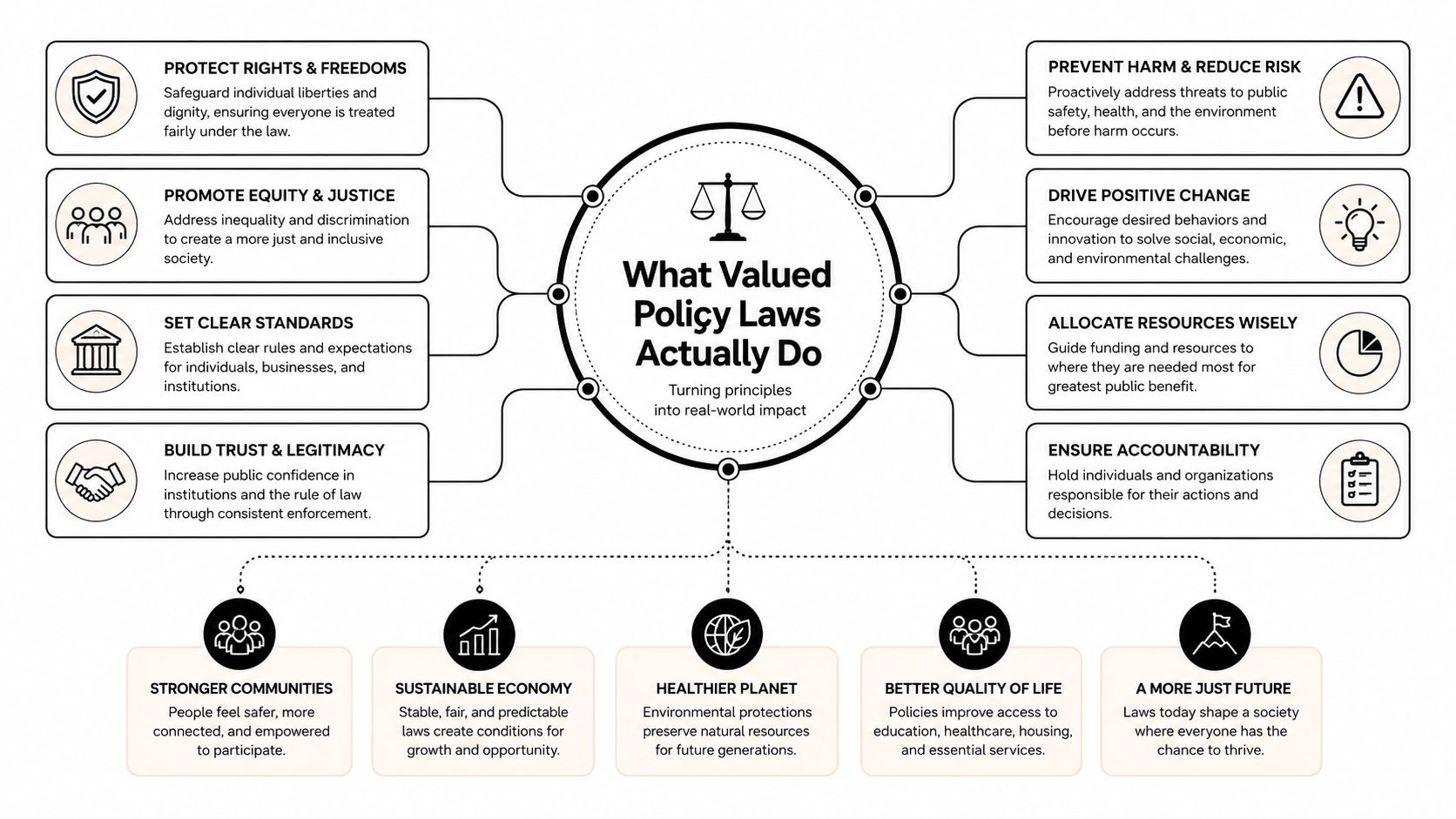
What Valued Policy Laws Do
A valued policy law shifts the valuation decision to the start of the insurance relationship. The insurer accepts a stated limit and charges a premium based on the insured risk. After a qualifying total loss, the statute may require the insurer to honor that stated amount instead of reopening the destroyed structure's value after the fire or other covered event.
The trigger is usually a covered total loss of a qualifying building or real property. The statute may apply to fire, wind, lightning, tornado, or another specified peril, but each jurisdiction sets its own boundaries. A partial loss generally does not activate the face-amount rule. If walls remain repairable, the claim can still turn on replacement cost, actual cash value, scope, depreciation, and policy conditions.
The statutory boundaries matter
A valued policy law does not make every dispute an automatic policy-limits payment. Review these requirements before relying on the statute:
- Total loss requirement: The building must meet the jurisdiction's legal standard for complete destruction.
- Covered peril requirement: The loss must result from a peril covered by both the statute and the policy.
- Qualifying property: Some laws cover buildings or immovable real property, not personal property.
- Fraud exceptions: Fraud or materially false information can defeat statutory protection.
- Risk changes: Florida's statute addresses fraud and a risk-increasing change made without the insurer's consent. Read the Florida statutory text alongside the policy and facts of the loss.
When the law applies, the insurer generally cannot use a post-loss appraisal to reduce the building's insured value below the amount the statute recognizes. The statute still does not increase the declarations-page limit. If the dwelling is insured for a stated amount, that figure may cap recovery even when rebuilding costs more.
That creates the under-insurance problem many owners miss. First, what amount must the insurer use under the law? Second, will that amount pay to rebuild? A valued policy law can settle the first question while leaving the policyholder responsible for the second. Before a loss, review the limit with a public adjuster. After a loss, document the total-loss facts and compare the limit with current rebuilding requirements.
Where These Laws Still Exist Today
Valued policy laws are a state-by-state issue. A comparative analysis identifies at least 19 states with some version of a traditional law, while other descriptions place the number at roughly 20 states, depending on how limited statutes are counted. The laws aren't uniform. One state may focus on fire insurance for buildings, while another may address a broader set of covered property and perils. The comparative analysis of valued policy laws shows why a policyholder should never rely on a national summary alone.
The concept spread quickly after Wisconsin's pioneering law. The historical record reports 28 valued-policy bills across 15 state legislatures in 1891, followed by additional waves of legislative activity through 1900. The early purpose was straightforward, prevent insurers from collecting premiums on inflated valuations and then disputing the value after a total loss.
Selected State Valued Policy Laws at a Glance
| State | Year Enacted | Typical Scope | Notable Modern Rule |
|---|---|---|---|
| Wisconsin | 1874 | Traditional valued-policy framework | Widely cited as the first state enactment |
| Ohio | 1879 | State-specific valued-policy treatment | Adopted after Wisconsin |
| Texas | 1879 | State-specific valued-policy treatment | Adopted in the same year as Ohio |
| Florida | 1899 | Covered total losses under statutory conditions | Liability is tied to the amount for which the property was insured, subject to statutory exceptions and amendments |
| Louisiana | Not specified in the verified data | Fire insurance for inanimate immovable property | If the insurer sets the valuation and uses it for the premium, total-loss indemnity is tied to that valuation; the modern statute applies to policies issued or renewed after January 1, 1992 |
Florida offers one of the clearest modern examples. Its statute states that, subject to its conditions, the insurer's liability for a covered total loss is the amount for which the property was insured. Louisiana is narrower. Its rule addresses fire policies covering inanimate immovable property and connects the valuation to the premium calculation.
The wording remains active rather than frozen. Florida's statute has been amended to address mixed-cause losses, and a 2025 Louisiana proposal explored a stated-value homeowner policy option tied to a homeowner's declared value rather than market value, as discussed in the Louisiana legislative proposal. Check the law in force on the policy and loss date before taking a firm position.
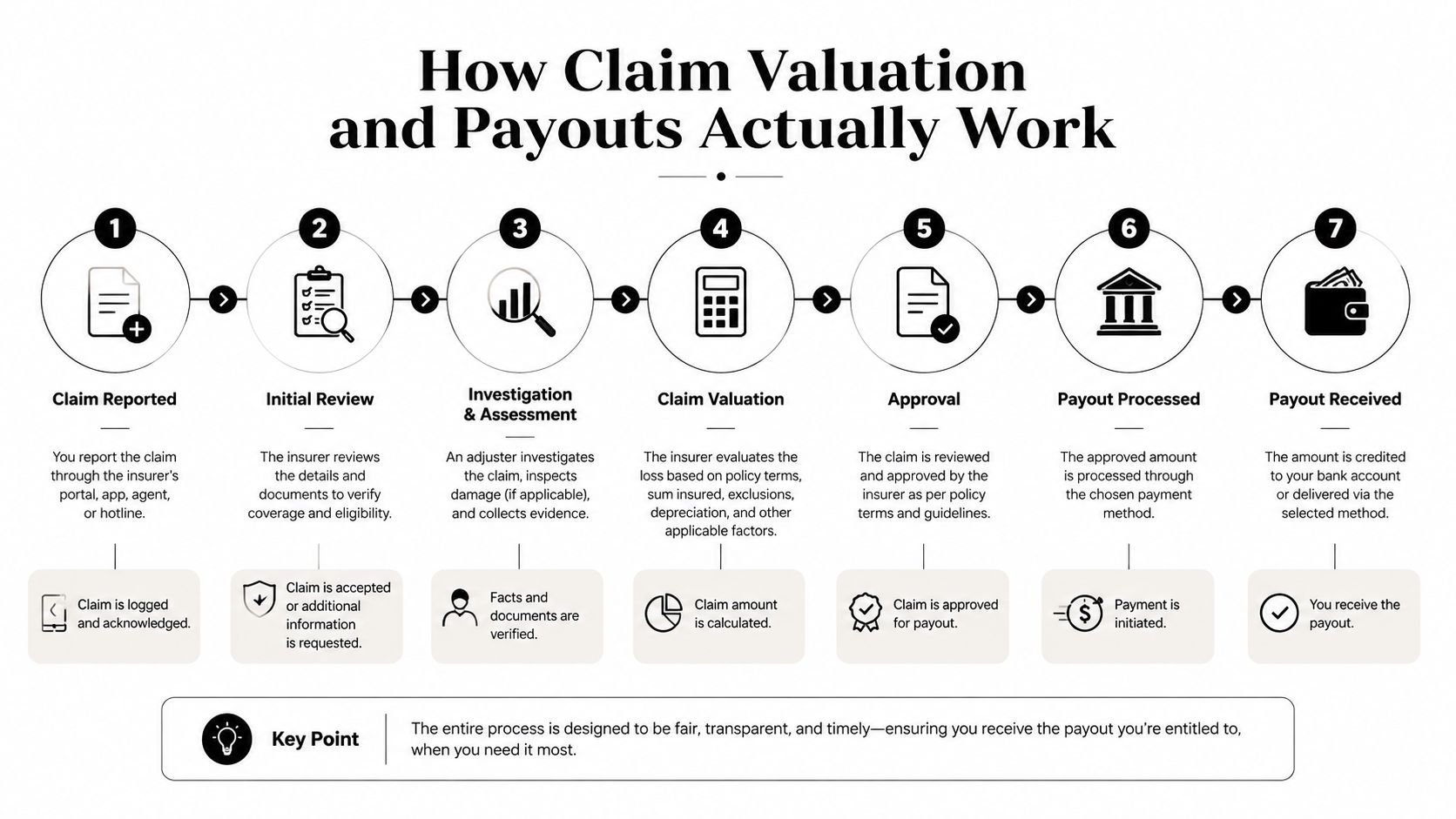
How Claim Valuation and Payouts Work
A face-amount rule can streamline a total-loss claim, but the claim still requires proof. The insurer will investigate the cause, confirm the insured property, review exclusions and policy conditions, and determine whether the loss meets the statute. Preserve photographs, receipts, plans, permits, and other records before the carrier's investigation shapes the evidence.
Scenario one, the clean total loss
A covered fire destroys a residence. The building is gone, the policy covers the peril, the property falls within the statute, and no fraud or unauthorized risk-increasing change applies. The statutory measure may then be the full amount insured for the building, rather than a post-loss appraisal of market value.
That payment may not cover every loss category. Contents, landscaping, detached structures, additional living expense, debris removal, and code-related work can carry separate limits or conditions. Confirm whether the statute applies to the structure only or also reaches personal property.
Scenario two, the mixed-cause loss
A hurricane damages a building, while the evidence also indicates an excluded cause. The insurer may argue that only damage caused by the covered peril qualifies. Florida's amended approach limits recovery to the covered portion when a total loss is partly caused by non-covered damage. If covered perils alone would have caused the total loss, the policy limits may still be owed.
This is a causation dispute, not a simple valuation dispute. Photograph water lines, wind-created openings, fire patterns, structural movement, utility damage, and nearby conditions before cleanup removes evidence. Keep cause analysis separate from the contents inventory, and apply documented loss valuation methods to each category. Owners reviewing protection for other property should also understand how California roof warranty coverage differs from insurance. A warranty does not replace the policy's causation and valuation provisions.
The Underinsurance Trap Most Owners Miss
A valued policy law can require payment of the stated policy amount and still leave you unable to rebuild. The statute uses the limit printed in the policy. It does not update that figure for higher labor costs, revised building codes, inflation, additions, custom materials, or an inaccurate replacement-cost estimate.
Research connected to the NAIC has found that more than half of U.S. homes are insured below replacement value. That finding changes how you should read a valued policy law. The law can prevent a post-loss valuation fight, but it does not guarantee that your limit matches the actual cost of reconstruction.
The limit can be legally sufficient and practically inadequate
A policy limit chosen years ago from an outdated estimate may control the payment after a covered total loss. You can receive the full amount required under the statute and still face a shortfall because the policy never insured the true rebuilding cost. Review the coverage before a catastrophe, not after the insurer issues its payment.
- Dwelling limit: Compare it with a current reconstruction estimate, not the property's market price.
- Ordinance or law coverage: Check whether the policy pays increased costs required by current codes.
- Extended replacement coverage: Determine whether an endorsement adds protection above the stated limit and identify its conditions.
- Separate structures: Confirm that garages, shops, fences, and other structures do not sit inside an inadequate sublimit.
- Contents: Inventory high-value belongings and review special limits, scheduled property, and replacement-cost treatment.
Market value and replacement cost answer different questions. A valued policy law generally does not correct that difference. Before renewal, review agreed value versus replacement cost and confirm which valuation method your policy uses.
Louisiana's 2025 proposal for a stated-value homeowner policy option shows that lawmakers continue considering clearer ways to establish value when coverage is purchased. Do not wait for a new product or statute. Ask the insurer or broker how the dwelling limit was calculated, which assumptions support it, and which endorsements respond if rebuilding costs exceed the scheduled amount. Get the explanation in writing and compare it with a current contractor or estimator's scope.
What This Means for Oregon and Washington Policyholders
Oregon and Washington policyholders shouldn't assume a Florida-style face-amount rule will resolve a total loss. Neither state has adopted a traditional valued policy law in the form described for Florida and Louisiana, so property settlements generally depend on post-loss valuation under the policy, including the selected valuation method, endorsements, exclusions, depreciation provisions, and applicable limits.
That structure can work in your favor when replacement-cost coverage is properly written and the rebuilding scope is fully documented. It also creates more room for disagreement. The insurer may separate covered repairs from code upgrades, challenge quantities, apply depreciation, or argue that certain work isn't required to restore the property.
Oregon and Washington priorities
For Oregon owners, preserve the policy, declarations, endorsements, contractor estimates, permits, plans, and proof of prior improvements. Don't let an emergency repair estimate become the final scope. A public adjuster can compare the carrier's estimate with local rebuilding requirements and identify omitted trades or building components.
For Washington owners, use the same disciplined approach, while paying close attention to policy deadlines, claim communications, additional living expense, and any endorsement controlling replacement-cost payment. A carrier's first estimate is an investigative document, not necessarily a complete settlement.
Neither state's framework removes the need to prove the loss. It makes documentation more important because the final amount usually depends on reconstructing the property's scope and cost after the damage. Review the policy's time-payment-of-claims provision so you understand how payment timing interacts with proof of loss and claim investigation.
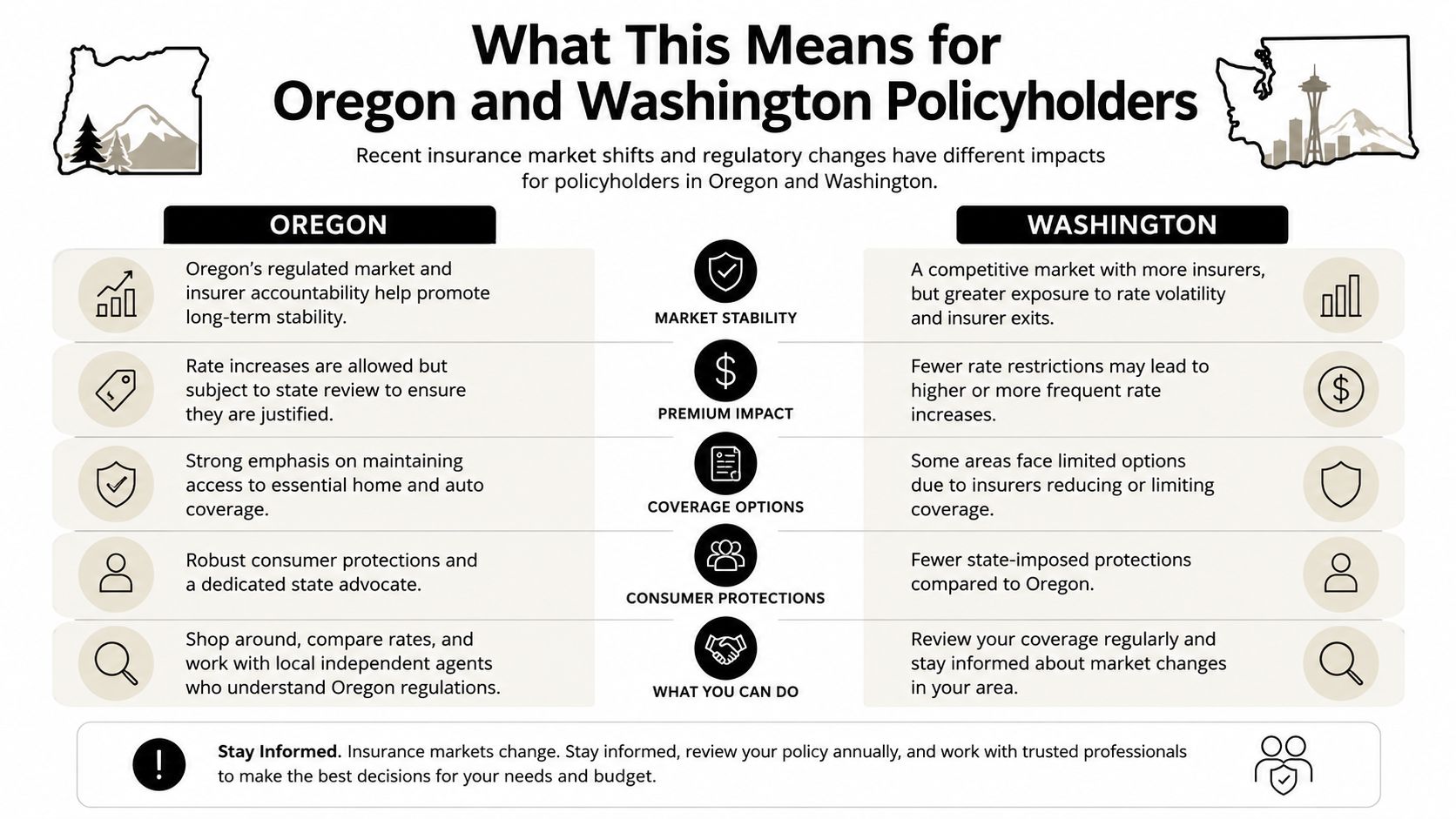
The right expectation is simple. In Oregon and Washington, don't wait for a statute to establish the amount. Build the evidence that establishes the amount.
Why a Public Adjuster Changes the Outcome
A total-loss claim is not just a paperwork exercise. The insurer's adjuster represents the carrier, evaluates coverage for the carrier, and prepares a scope that serves the carrier's settlement position. A licensed public adjuster represents the policyholder and builds the claim from the other side of the contract.
The work starts with policy interpretation. The adjuster reviews declarations, exclusions, endorsements, valuation provisions, code coverage, additional living expense, debris removal, and sublimits. Then the adjuster connects those provisions to the physical evidence and the owner's records.
What representation looks like in practice
A public adjuster typically:
- Documents the structure: Measures rooms, identifies materials, records finishes, and develops a defensible reconstruction scope.
- Tests the carrier's estimate: Finds missing trades, incomplete quantities, omitted code items, unsupported depreciation, and disputed line items.
- Builds the contents claim: Organizes photographs, receipts, warranties, inventories, and replacement information into a usable schedule.
- Analyzes causation: Separates covered damage from excluded damage and preserves evidence supporting the policyholder's position.
- Negotiates the settlement: Responds to underpayment, delay, scope reduction, and requests for repetitive or unnecessary documentation.
- Tracks the claim: Maintains communications, deadlines, payments, supplements, and unresolved coverage questions.
NW Claims Management is one option for Oregon and Washington owners seeking a licensed public adjuster. Its stated services include policy review, structural assessment, loss documentation, and settlement negotiation for residential, commercial, and nonprofit property claims.
Practical rule: A public adjuster can improve the accuracy and presentation of a claim. They can't turn an inadequate policy limit into unlimited coverage or erase a clear exclusion.
Public adjusters commonly work under contingency-based fee arrangements, meaning compensation is tied to the claim outcome under the signed agreement. Read that agreement carefully. Confirm the fee, services, termination terms, responsibility for experts, and treatment of payments received before signing.
Hire representation early when the building is a total loss, the cause is disputed, the policy has complicated endorsements, or the first estimate looks incomplete. If the claim is straightforward and well documented, an owner may choose to handle it personally. The decision should follow claim complexity, not insurer confidence.
Your Action Plan and Common Questions
When a total loss seems likely, act in sequence. Emotional decisions create evidence gaps, missed deadlines, and avoidable concessions.
- Protect people first. Leave unsafe areas, contact emergency services, and follow instructions from fire, utility, and local officials.
- Record the scene. Take wide and close photographs, video the surroundings, preserve visible damage, and keep copies in secure storage.
- Notify the insurer carefully. Report the loss promptly, but don't guess about cause, value, or responsibility. You can describe what happened without adopting the carrier's theory.
- Request the complete policy. Obtain the declarations, forms, endorsements, schedules, exclusions, and amendments, not just a summary page.
- Control the first settlement discussion. Before accepting an offer or signing a release, have a licensed public adjuster or qualified insurance attorney review the proposal.
Don't give a recorded statement casually. Ask what topics the insurer wants to cover, request time to review the policy, and keep communications accurate and limited to what you know. Preserve receipts for emergency housing, meals, temporary repairs, storage, security, and other expenses that may fall within additional living expense or loss-mitigation coverage.

Common questions
Does a valued policy law automatically pay full limits after any total loss?
No. The loss must qualify under the applicable statute and policy. A mixed-cause loss may require apportionment, and fraud or an unauthorized risk-increasing change can create an exception. The statute may also apply to the building but not contents or separate categories of property. Get the cause and coverage analysis in writing.
What should Oregon and Washington owners do without a traditional valued policy law?
Treat the claim as a documentation and valuation project. Secure a complete policy, preserve the scene, obtain a detailed reconstruction scope, identify code and ordinance costs, inventory contents, track living expenses, and challenge omissions in the insurer's estimate. A public adjuster can organize those tasks and negotiate the resulting valuation.
Ask for a written explanation whenever the insurer reduces scope, applies depreciation, excludes code work, delays payment, or assigns a cause you dispute. Don't sign a final release while material coverages or valuation questions remain unresolved.
NW Claims Management offers policy review, damage documentation, valuation support, and settlement negotiation for property owners in Oregon and Washington. If a total loss has left you unsure whether your policy, state rules, or insurer's estimate controls the outcome, visit NW Claims Management for a free claim evaluation and a clear next step.