You've already done the hard part. The insurer's estimate is on the table, the contractor's numbers don't line up, and the claim file still feels like it belongs to someone else. That's usually the moment a homeowner or business owner starts wondering whether a free initial consultation with a public adjuster is a real screening conversation, or just another sales pitch.
Used correctly, that first call can separate a claim that needs representation from one that needs more documentation, or maybe no adjuster at all. Used badly, it can waste time, blur fee terms, and push you into signing before you understand what's being offered. The difference matters, especially in Oregon and Washington, where licensing and contract rules shape what a public adjuster can say, charge, and promise.
When a Free Initial Consultation Makes Sense
A free initial consultation makes sense when the claim has moved beyond basic back-and-forth with the carrier and reached a decision point. If you're in Portland looking at a low estimate after a roof loss, or in Vancouver waiting on water-damage funds while repairs stall, the question is whether the file is documented well enough to justify outside help.
A screening call earns its keep in that moment. A good public adjuster can use the first conversation to triage the claim, review the basic facts, and tell you whether the file looks underdeveloped, disputed, or too small to justify representation. That first intake works like the early screening used in other professional services, where the goal is to decide whether a paid engagement makes sense before anyone commits time or money.
When to call and when to keep working the claim yourself
If the insurer has already denied coverage, underpaid obvious damage, or ignored clear supplemental items, the free consultation is often the right next step. If the loss is minor, the documentation is clean, and the carrier is cooperating, you may not need representation at all.
Practical rule: Call when the file feels stuck, or when the next move is unclear.
If you want a broader sense of when to bring in a public adjuster, the guide on when to hire a public adjuster is a useful companion. And if you are still comparing how a contractor's estimate should look before you talk to an adjuster, a roof estimate resource like the Puget Sound roof estimate guide can help you spot whether the repair scope is thin or unusually aggressive.
What a Public Adjuster Really Does
A public adjuster is a licensed professional who works for the policyholder, not the insurance company. That distinction sounds obvious until you're sitting across from a company adjuster, an independent adjuster, and maybe even an attorney, all of whom have different roles and different loyalties.
A company adjuster inspects the loss on the insurer's behalf. An independent adjuster may be hired by the insurer too, but still represents the carrier's interests in the claim process. A public adjuster works exclusively for you, which is why the first conversation should be about your loss, your policy, and whether the claim fits the kind of work the firm handles. If you want a plain-language breakdown of that role, the internal overview on what a public adjuster is is worth reading before you book time.
Why the first call matters so much
Public adjusters are often paid only if the claim succeeds, so the questions they ask on a screening call are designed to test both viability and fit. They're looking at whether the policy may respond, whether the damage is documented, and whether the case needs more records before anyone can responsibly move forward.
I've seen multifamily owners assume they were hiring the “insurance adjuster” when they were really just speaking with the wrong side of the table. Months later, they were still waiting on answers because nobody had been retained to push the file, track the supplement package, or challenge the carrier's assumptions. That mistake usually comes from not understanding the title before the call starts.
For storm-related roof disputes, another helpful reference is the article on storm roof repair with insurance. It's useful background when you're trying to figure out whether the problem is the roof, the scope, or the insurer's estimate.
How a Typical Consultation Call Is Structured
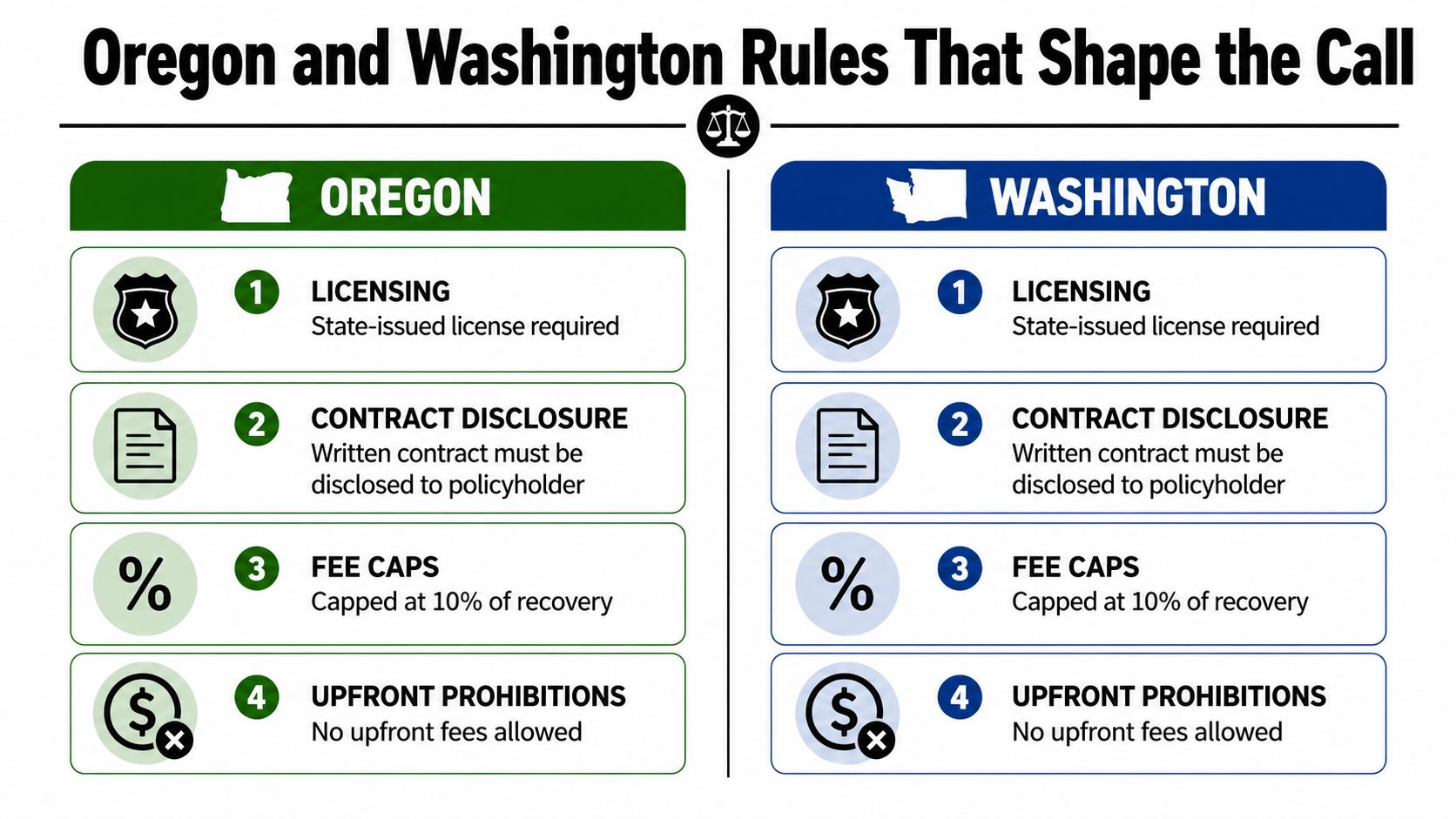
A good screening call usually follows the same rhythm, and that's a good thing. It keeps the discussion focused, lets both sides sort out whether the matter belongs in paid representation, and prevents the conversation from drifting into a full claim strategy session before there's even a fit.
The five stages you should expect
The first stage is a short introduction and conflict check. The adjuster confirms who you are, who owns the property, and whether there's any conflict that would stop them from taking the matter.
The second stage is the loss-event summary. You describe what happened, when it happened, and what damage you can already see. The third stage is the policy and coverage review, where the adjuster looks for the basic terms that shape the claim. The fourth stage is documentation gap analysis, which is where missing photos, repair bids, correspondence, or inventories become obvious. The fifth stage is the close, where the adjuster decides whether the matter is a good fit, needs more proof, or should stay with you and the carrier for now.
A legitimate call feels narrow on purpose. If the person on the other end starts promising outcomes before they know the loss facts, they're selling, not screening.
The questions a good adjuster should ask
A serious adjuster will usually ask for the date of loss, the type of damage, policy limits, deductible, the insurer's current position, and whether anyone has inspected the property already. Those questions aren't filler, they tell the adjuster whether the file is ready for representation or still missing the basics.
A serious consumer should ask back about license status, who handles day-to-day communication, how supplements are billed, and what happens if the carrier denies the claim outright. If the call skips from introduction to signature, that's a warning sign.
What to Bring and What to Ask
Preparation changes the tone of the call. Instead of making the adjuster drag details out of you, you give them enough material to decide whether the loss is worth taking on, whether more documentation is needed, and what the next move should be.
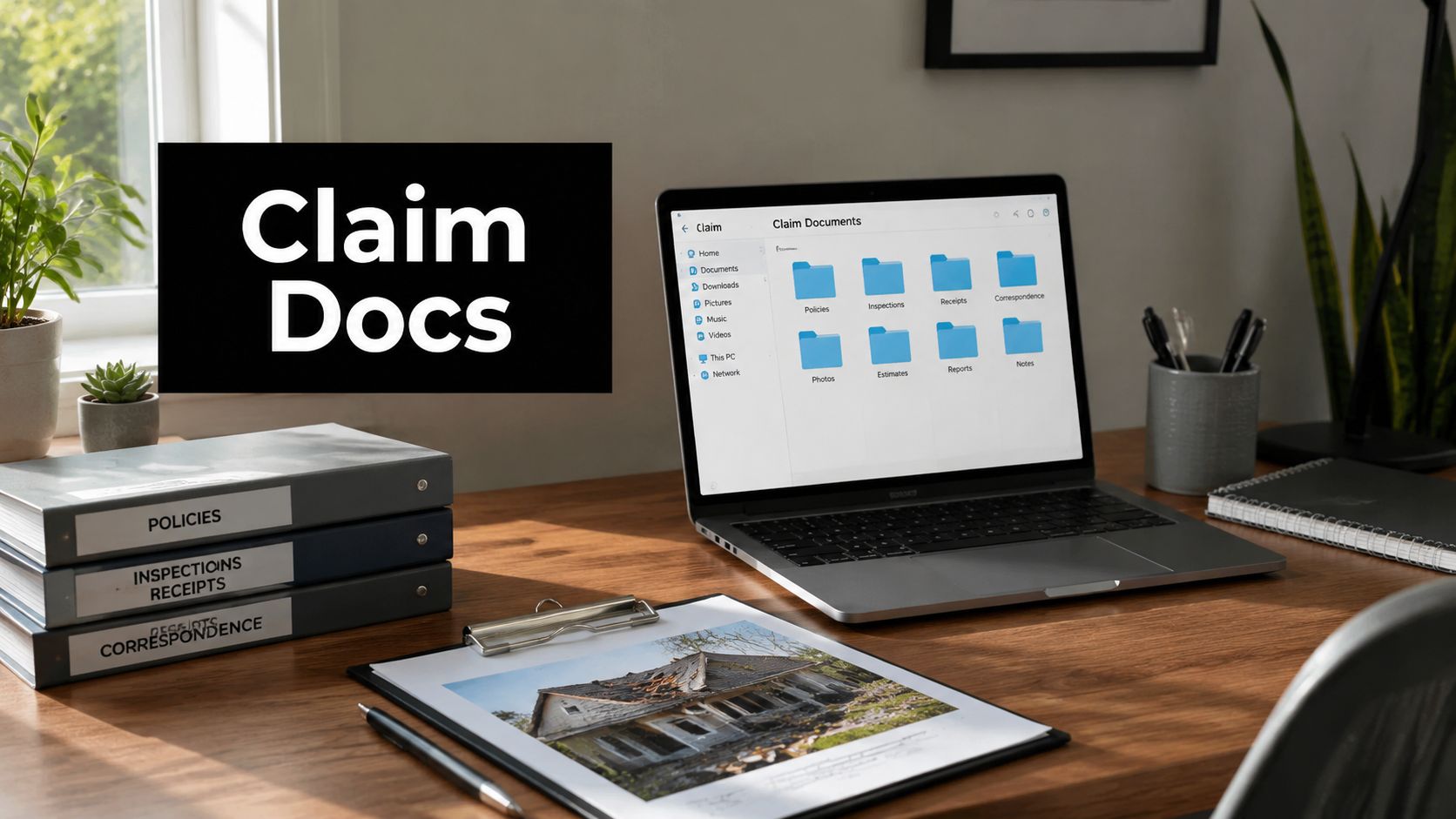
Free Consultation Preparation Checklist
| Bring to the Call | Ask the Adjuster |
|---|---|
| Declarations page | Have you handled similar residential or commercial losses in Oregon or Washington? |
| Latest insurer letter or estimate | What does this claim look like in practical terms, not just in theory? |
| Photos and videos of the damage | What recovery range do you think is realistic based on what you've seen? |
| Repair bids or contractor estimates | How do you handle supplements if new damage appears later? |
| Contents inventory or loss list | Who works the file after the consultation ends? |
| Timeline of calls, emails, and texts with the insurer | What are your fees, and when do they apply? |
| Policy pages or endorsements that seem important | What happens if the insurer refuses to budge? |
| Any mitigation invoices or emergency repair records | Do you need anything else before you can make a decision? |
If you're still building an inventory, the personal property inventory template can save time before the consultation. The goal isn't to create a perfect claim packet, it's to avoid showing up with nothing but a story and a guess.
Bring enough for the adjuster to evaluate the file, not enough to bury them in paperwork.
The best calls feel like a conversation with a purpose. You stay present, answer the questions directly, and use the checklist as a guide rather than a script.
Oregon and Washington Rules That Shape the Call
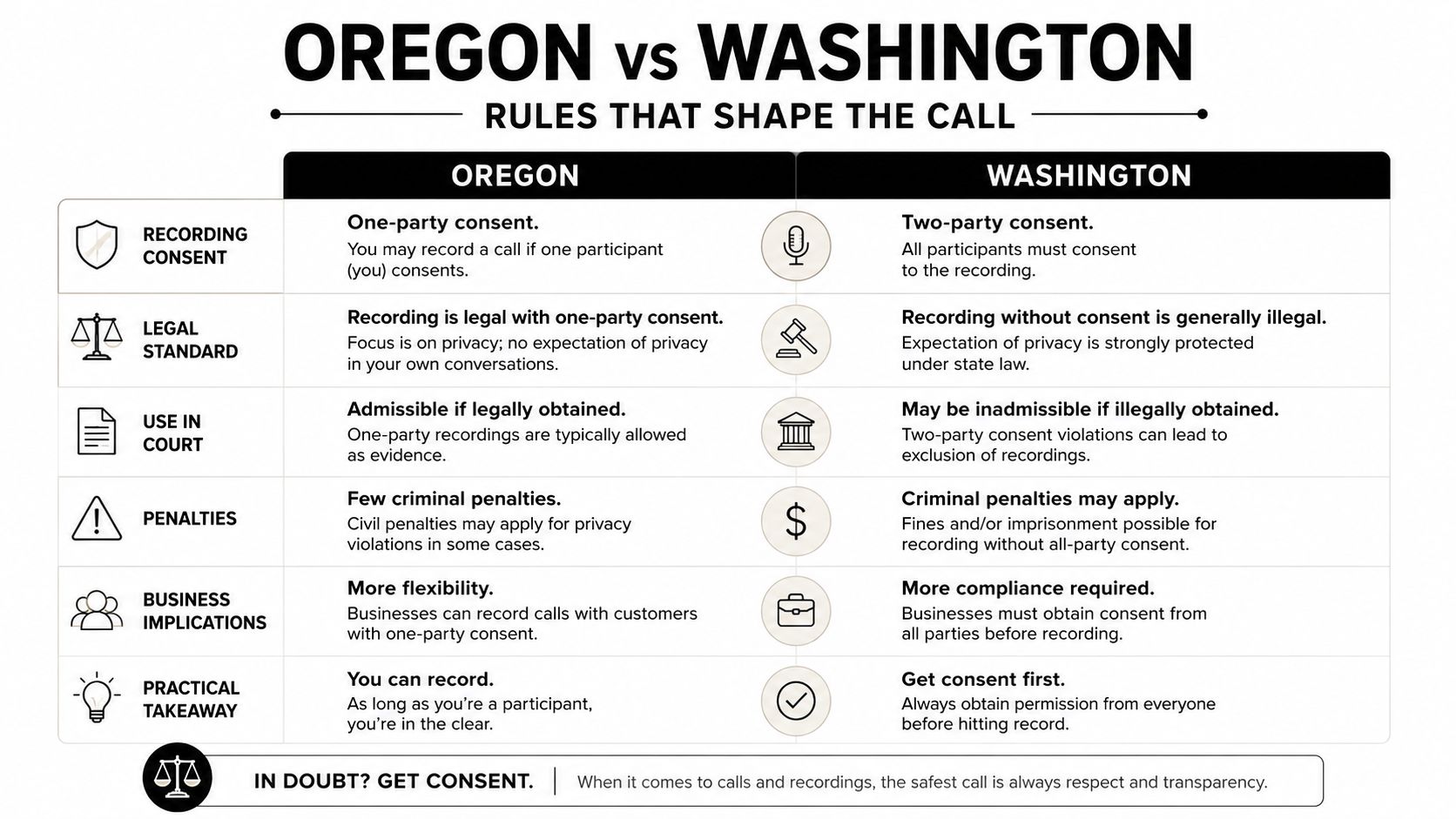
Public adjuster licensing and fee rules are set at the state level, which is why consultation practices and engagement contracts differ between Oregon and Washington even when both firms serve the Pacific Northwest market. That matters during the first call because a legitimate adjuster should be able to explain where they're licensed, how they're paid, and what paperwork comes before any signed agreement.
What a real screening call should reveal
In both states, a proper consultation should reference licensure, not dodge it. If an adjuster won't tell you whether they're licensed in the state where the loss occurred, that's not a small omission, it's a credibility problem. The conversation should also make the fee timing plain before you're asked to sign.
Oregon and Washington each regulate public adjuster work rather than leaving it to informal custom. That means fee structure, contract language, and notice requirements aren't supposed to be guesses, and a professional should be able to walk you through them without sounding defensive. If you need a broader directory-level reference for licensing, the internal page on licensed public adjuster is a practical starting point.
Why this matters before you sign
The most important thing to verify is whether the person speaking to you is authorized to handle your claim in your state. That's especially important for owners who live near the border or have properties in both Oregon and Washington.
If you're comparing how claims can feel different from one line of insurance to another, the article on a fair payout for storm-damaged vehicle is a reminder that state-specific rules and documentation standards can change the conversation fast. Property claims work the same way. The framework changes with the jurisdiction.
Red Flags, Contingency Fees, and What Comes Next
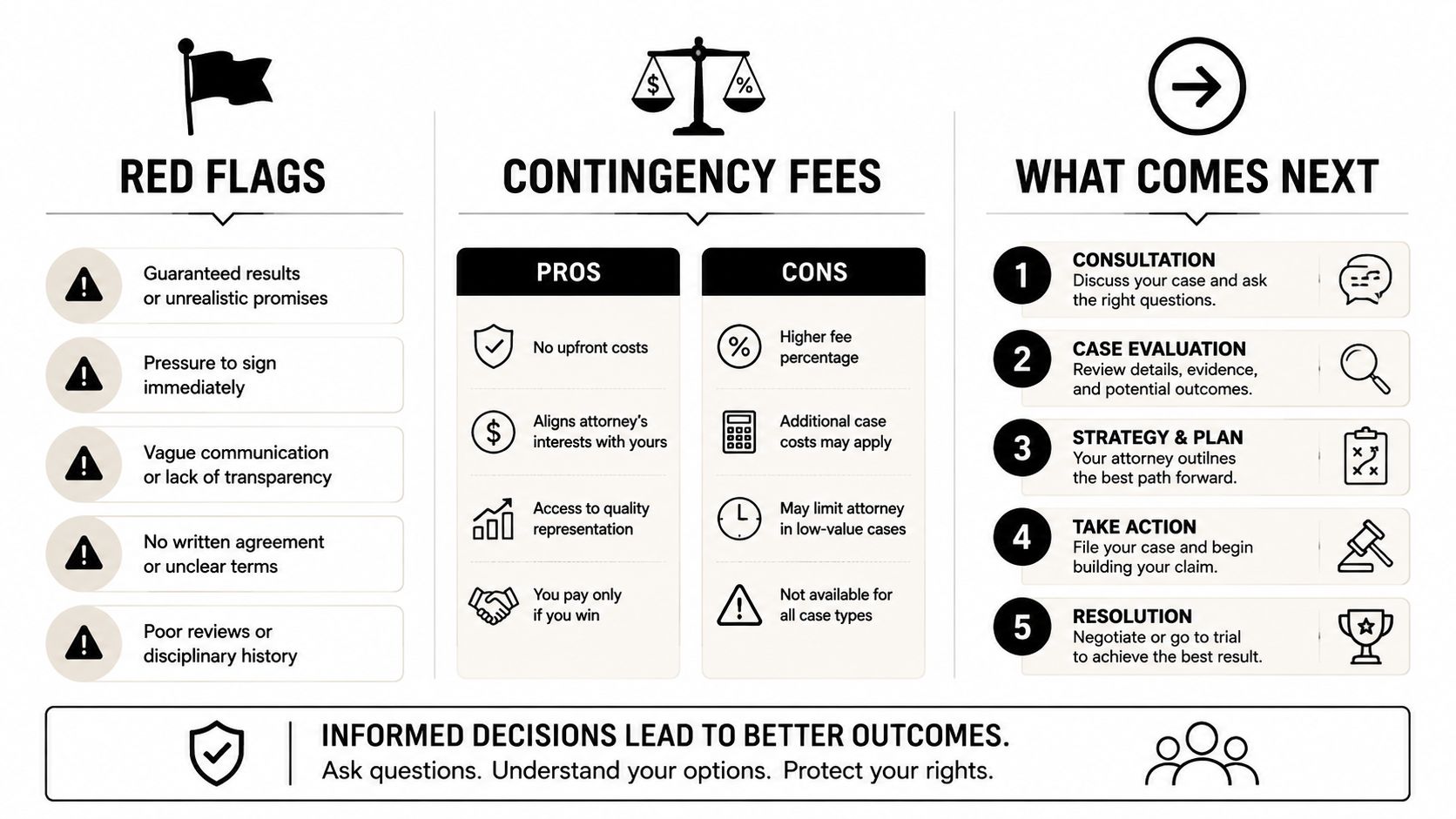
A contingency fee is a percentage of the recovery, paid only if the claim produces a settlement or other recovery. That setup is common in claim work because it ties the adjuster's interest to the policyholder's outcome, but it only works when the fee is disclosed clearly and the contract follows state rules. Fee structure, contract language, and notice requirements are regulated, not left to informal custom. For a broader look at how compensation is usually structured, see how public adjusters get paid.
Red flags that usually show up early
Watch for pressure to sign the same day. A careful firm understands that you may want to compare options, especially if the loss is large or the insurer has already taken a hard position.
Be cautious if the adjuster gives vague answers about fees, won't provide license information, or promises a specific dollar outcome before reviewing the policy and evidence. That kind of answer undermines credibility. Also be wary if they push you to give a recorded statement before they've even looked at the file. At that point, the call has shifted away from triage and toward sales.
A legitimate screening call should also be able to explain the fee in plain language without hiding the cost in jargon. If the person on the phone cannot tell you how payment works, when it is owed, and what services are covered, you are still in marketing territory.
The three realistic outcomes
The first outcome is formal engagement, which happens when the loss looks viable and the fit is right. The second is a deferred decision, usually because more records, photos, or estimates are needed before anyone can responsibly move forward. The third is a recommendation to handle the claim without representation, which is a legitimate answer and often the honest one.
If you want to understand compensation in more depth before you sign anything, the internal explainer on how public adjusters get paid is worth reviewing. It helps separate the fee model from the pressure tactics.
A good screening call gives you a path, not a push.
After the Call, Three Decisions to Make
When the call ends, you should be able to make one of three decisions. Engage the adjuster if the file is documented enough, the fee terms are clear, and the firm works the kind of claim you have. Defer if you need more photos, a fuller estimate, or a second opinion before committing. Decline if the fit feels wrong, the pressure is high, or the answers stay vague.
The most important follow-up in the engage branch is the written agreement, because that's where the fee and scope get locked down. In the defer branch, the next move is usually one missing document, not another long conversation. In the decline branch, keep your insurer correspondence organized and continue documenting the loss.
The value of a free initial consultation isn't the sales pitch. It's the clarity you get when a real adjuster tells you what the claim needs, what it doesn't, and whether representation will help.
If you want a straightforward claim review from a licensed Pacific Northwest public adjusting firm, visit NW Claims Management and request a consultation. The team handles Oregon and Washington property claims, reviews policy language and current claim status, and can tell you quickly whether your file looks ready for representation or needs more documentation first.