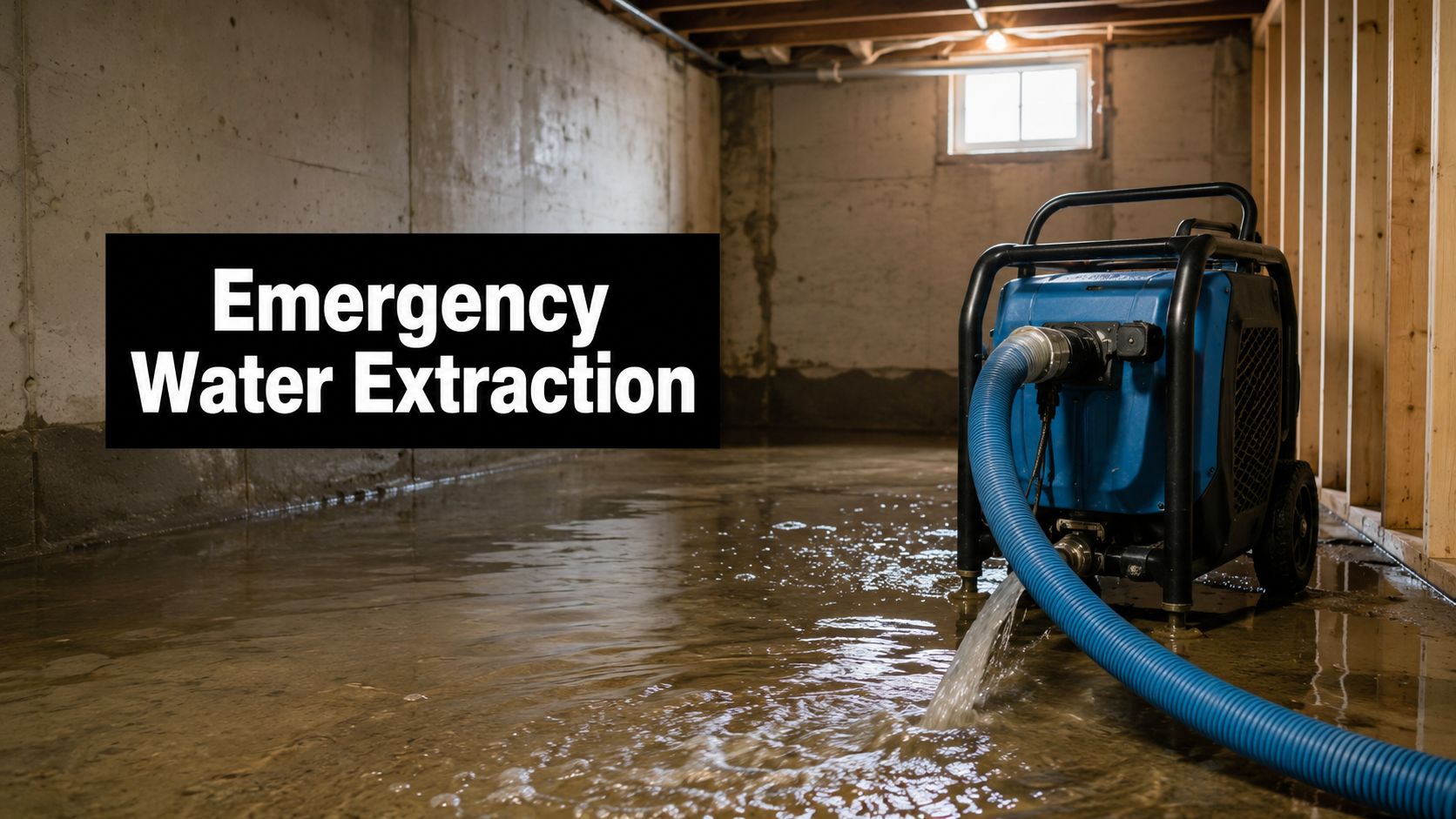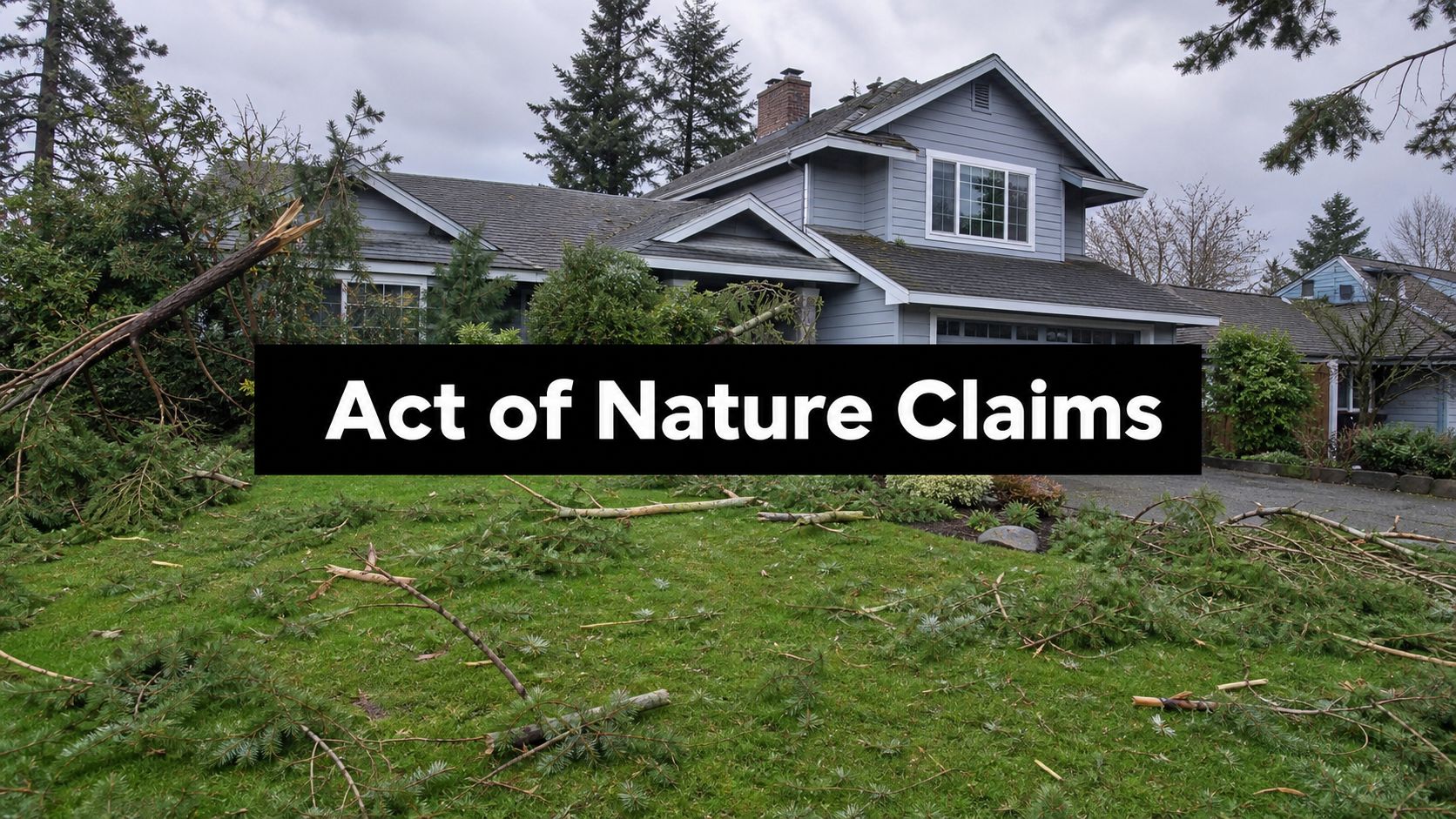
The power is back on, but the house still doesn't feel normal. You hear a drip in the attic after a windstorm. A fir tree missed the bedroom by a few feet but tore through the fence and crushed part of the garage. Or the wildfire never reached your street, yet smoke worked its way into insulation, soft goods, and HVAC runs. In Oregon and Washington, that's often how these claims begin. Not with one dramatic moment, but with a confusing mess the next morning.
Most property owners start in the same place. They want to know what to do first, what to photograph, whether the damage is covered, and why the insurer keeps using terms that don't appear anywhere in plain English on the declarations page. One of those terms is act of nature. It sounds simple. In practice, it can control whether a claim gets paid, reduced, or pushed into a dispute over cause, maintenance, or exclusions.
That matters more than ever. In 2024, global insured losses from natural catastrophes reached an estimated $145 billion, with only about 42% of total economic losses covered by insurance, according to Aon's 2025 Climate and Catastrophe Insight report. When that protection gap shows up at the household level, it means the policy language and the claim file have to do real work.
If your roof took a hit, one practical first move is to get a disciplined exterior assessment. Homeowners often benefit from a visual reference point such as Learn about Paletz roof inspections, especially when wind damage, lifted shingles, or impact marks may become part of the coverage debate. Before the cleanup starts, use a field checklist so you don't miss detached gutters, saturated insulation, window seal failure, and hidden interior staining. This property inspection checklist for storm and structural damage is the kind of document that helps keep your claim organized from day one.
The Morning After the Storm
A Portland homeowner wakes up to a branch through the skylight after an overnight wind event. In Vancouver, a sheet of ice slides off the roof edge, tears the gutter loose, and water follows it into the wall cavity. In Central Oregon, the fire line shifts, the structure survives, and the dispute becomes smoke, soot, and odor instead of total burn.
Those losses feel different, but the first problem is usually the same. The policyholder is trying to make urgent decisions while tired, worried, and under pressure to prevent further damage without destroying evidence. If you throw out wet contents too soon, strip roofing before photographing the uplift pattern, or let a contractor start demolition without a room-by-room scope, you can make a hard claim harder.
What to do before the scene changes
Start with safety. If there's active water near wiring, structural sagging, or fire-related contamination, keep people out and stabilize the site first. Then document what exists before temporary repairs erase the story of how the damage happened.
A useful sequence looks like this:
- Take wide photos first so the insurer can see the overall scene before close-ups.
- Shoot video while walking the property and narrate what you're seeing in plain language.
- Protect the property with tarps, board-up, or water extraction if needed, but keep receipts and photographs of the condition before mitigation.
- Save damaged materials when possible if the cause may be disputed later.
Practical rule: Temporary repairs should stop further damage, not destroy the evidence you may need to prove the claim.
In the Northwest, weather losses often arrive in combinations. Wind opens the roof. Rain follows. Freezing temperatures expand the damage. Smoke enters a building that never burned. That's why act of nature insurance claims need more than a quick phone call and a few cell phone pictures. They need a clean, documented chain from event to damage.
What Insurers Mean by Act of Nature
Insurers use act of nature as a causation concept, not as a coverage grant. That distinction trips people up all the time. The phrase doesn't mean “covered by nature insurance.” It means the loss was caused by a natural force rather than a human act.
A simple way to think about it is this. The phrase acts like a category label on the cause of loss file. Windstorm, wildfire, flood, freezing conditions, earth movement, and similar events may all get discussed under that umbrella. But payment still depends on your policy wording.
It's about cause, not automatic coverage
Many policyholders assume that if damage came from weather, the claim should be straightforward. Sometimes it is. Sometimes the entire case turns on whether the event was sudden, whether an exclusion applies, or whether the insurer says a maintenance problem helped create the damage.
The insurance industry also uses the related phrase Act of God. In everyday conversation, the two terms often blur together. In claim handling, the more useful question is narrower: what exactly caused this damage, and is that cause covered, excluded, or partly both?
That matters because wildfires, severe storms, and floods now account for a record 92% of total global natural catastrophe insured losses, according to this Insurance Journal report summarizing Swiss Re Institute findings. For Oregon and Washington owners, that aligns with what shows up on the ground. The common losses aren't always the giant headline disasters. They're repeated wind events, ice, runoff, smoke intrusion, localized flooding, and wildfire-related damage.
Why the label can still mislead you
Here's where policyholders lose time. They argue over the phrase itself instead of pulling the policy apart by peril, exclusion, limitation, and endorsement.
Use this lens instead:
| Question | Why it matters |
|---|---|
| What happened first | Sequence often controls whether ensuing damage is covered |
| Was the event sudden | Sudden loss is treated differently than gradual deterioration |
| Is this peril named or excluded | The policy language decides, not the headline description |
| Did prior condition contribute | Mixed-cause losses are where many disputes begin |
The right question isn't “Was this an act of nature?” The right question is “How does my policy treat this exact cause of loss and the damage that followed?”
That's the point where a claim becomes technical. Once you understand that, the conversations with the carrier get much clearer.
Understanding Your Policy's Coverage and Exclusions
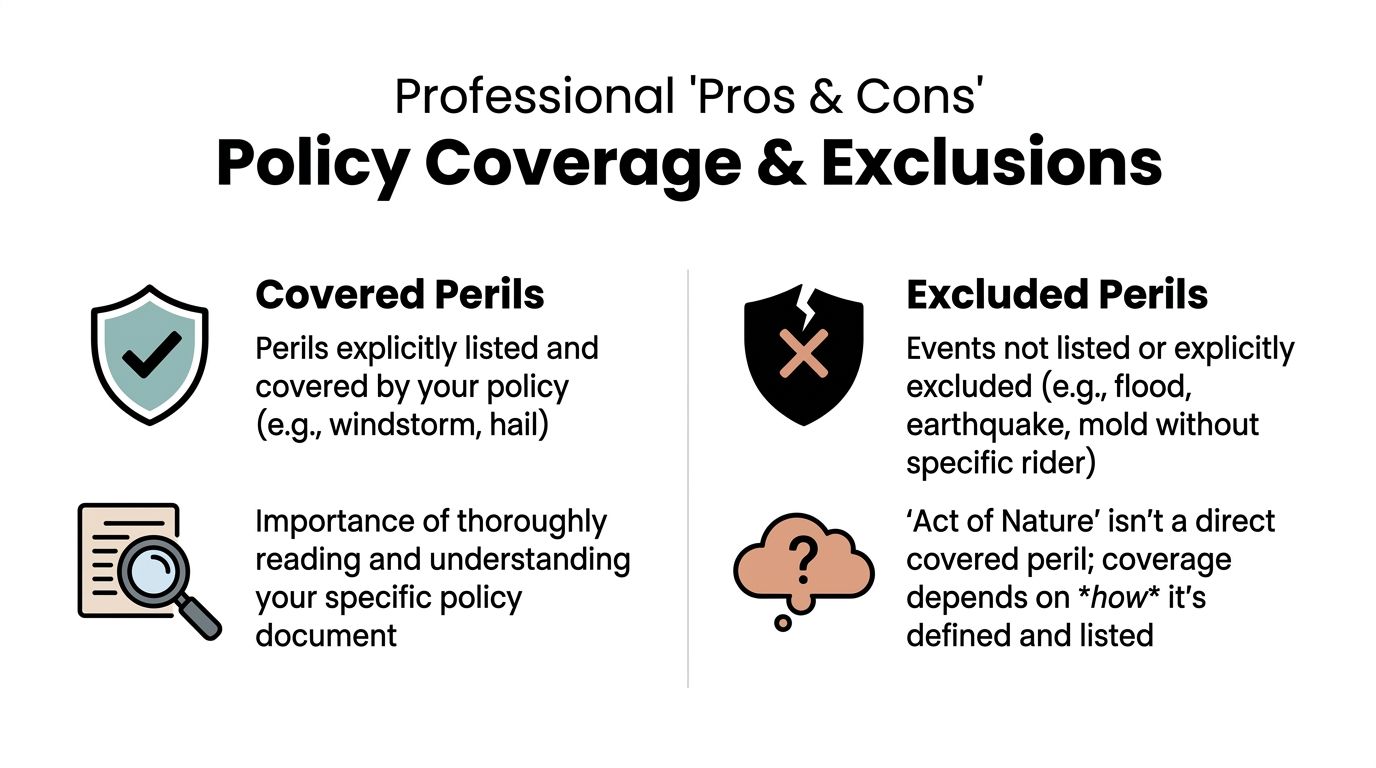
Most homeowners don't need a lecture on insurance theory. They need a straight answer about what's usually paid and what usually isn't. The first hard truth is this: act of nature itself is not a covered peril. Coverage depends on the specific policy language and endorsements attached to your contract.
What standard coverage often handles
A typical homeowner policy often responds to direct physical loss from events such as wind, hail, fire, or the weight of ice or snow, subject to conditions and exclusions. In practical Northwest terms, that can mean storm-damaged roofing, siding loss from wind, or interior water damage that follows a covered opening created by a storm.
Examples that often fit the covered side include:
- Wind removes shingles and rain enters through that storm-created opening.
- A tree falls during a storm and damages a covered structure.
- Ice load damages part of the roof system and causes resulting interior loss.
What often falls outside standard coverage
Other losses are commonly excluded or require separate coverage. Flood, earthquake, earth movement, and some forms of mudslide or surface water intrusion are the biggest sources of confusion. Homeowners often learn this only after filing.
Here's the side-by-side view:
| Often treated as covered | Often treated as excluded or separately insured |
|---|---|
| Windstorm damage | Flood or rising groundwater |
| Fire damage | Earthquake and related earth movement |
| Weight of ice or snow | Mudslide, landslide, or slope failure |
| Resulting interior water from a covered opening | Long-term seepage, wear, rot, or mold limitations |
A classic example in Oregon is a windstorm that tears off roofing and lets rain into the attic. That may be covered. A different example is water entering the basement because saturated ground pushed moisture through foundation walls. Homeowners often describe both as “storm damage,” but the policy may treat them very differently.
The gradual damage trap
One of the least understood claim issues is the difference between sudden damage and gradual deterioration. Insurers may deny a claim by saying the property failed because of age, wear, corrosion, rot, or another long-developing condition rather than a sudden insured event.
A court has recognized that insurers may legally classify gradual processes like pipe rust as an “act of nature” to invoke policy exclusions, because corrosion is a natural chemical reaction. That shifts the burden to the policyholder to show the damage came from a sudden event instead of slow decay, as discussed in this legal analysis of corrosion and act-of-nature exclusions.
That's why policy language around valuation also matters. If you're sorting through whether the carrier owes repair cost, depreciation, or some other measure of recovery, this explanation of agreed value vs replacement cost in property claims helps frame what the policy may pay once coverage is established.
Coverage fights usually turn on mechanics. Where did the water come from, what failed first, and was that failure sudden or gradual?
Where homeowners get stuck
The trouble spots are usually these:
- Hybrid water losses where roof leakage, drainage, and maintenance all get discussed at once.
- Older homes where the carrier points to prior wear before addressing the storm impact.
- Partial damage where the insurer pays for a patch but disputes matching, code-related work, or full-scope repairs.
Read the exclusions as closely as the coverage grant. In act of nature insurance claims, the exclusion section often decides more than the declarations page.
A Step by Step Guide to the Claims Process
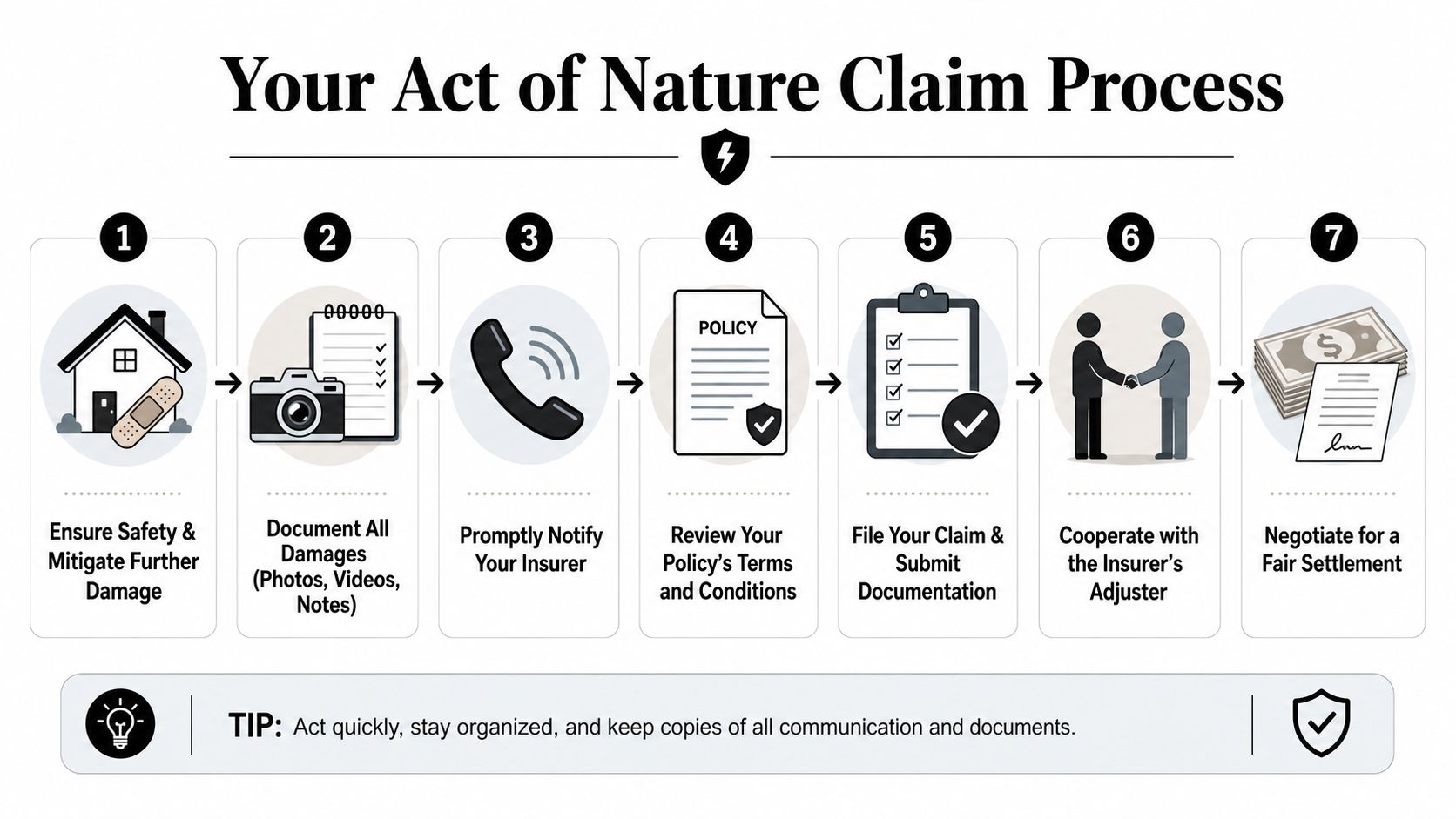
When the loss is fresh, people either freeze or move too fast. A good claim process does neither. It preserves evidence, protects the building, and gives the insurer a clear file from the start.
The first moves that matter
Make the property safe
Stop active damage if you can do it safely. Tarp the roof, shut off water, or secure openings. Don't start permanent repairs before the insurer has had a fair chance to inspect unless emergency conditions require immediate action.Document before cleanup changes the scene
Photograph every elevation, every affected room, and every damaged item. Include wide shots and detail shots. If insulation is wet, if smoke residue is visible around registers, or if a ceiling stain tracks along a framing line, capture it clearly.Notify the insurer promptly
Open the claim as soon as you have the basic facts. Give a concise description of date, cause, and known damage. Avoid guessing about areas you haven't inspected yet.
For a more complete owner-side roadmap, this guide on how to file a homeowners insurance claim is useful because it follows the claim from notice through inspection and settlement review.
What the carrier's inspection is trying to do
Insurance adjusters don't inspect casually. They're usually working through a structured evaluation process. The assessment of natural hazard damage follows a standardized technical protocol where adjusters quantify insured property, evaluate damage severity, and calculate repair costs based on undepreciated value, with extensive documentation and categorization before settlement is recommended, as outlined in the NHC Claims Manual for residential land and hazard claims.
That doesn't mean every inspection is wrong. It means the inspection is built around a method, and methods have limits. If the adjuster misses attic moisture migration, hidden smoke pathways, detached underlayment, or business interruption impacts in a commercial file, those issues may never make it into the first estimate unless someone raises them.
Before you accept the first number
When the estimate arrives, compare it to the actual condition of the property.
Use this short review list:
Scope check
Does the estimate include every damaged room, assembly, and exterior component?Cause check
Did the adjuster classify the damage correctly, or did they shift part of it into wear and tear?Pricing check
Are the repair line items consistent with what local contractors say the work requires?
Keep a claim diary. Dates, names, what was said, what was promised, and what documents were sent. Small recordkeeping habits often decide big disputes later.
If something is missing, respond in writing. A calm, specific correction with photos, invoices, and contractor notes usually works better than a general complaint that the offer feels low.
Strategies to Maximize Your Claim Recovery
A fair claim rarely comes from passively waiting. It comes from proving cause, scope, and value with enough detail that the carrier has a hard time ignoring the file. That is especially true in mixed-cause losses, which are common in the Northwest.
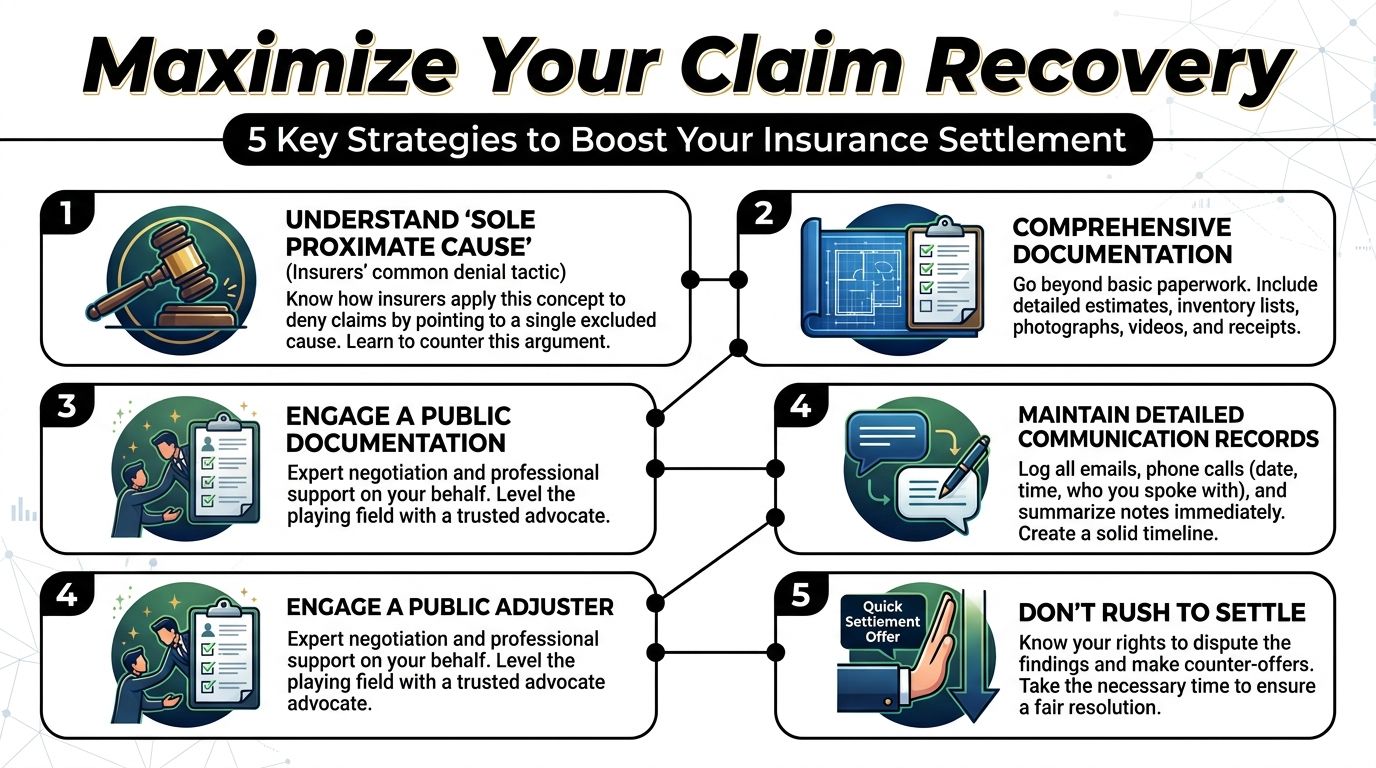
Understand the sole proximate cause fight
One advanced concept matters more than most homeowners realize. To deny a claim using an Act of God defense, insurers must prove the natural event was the sole proximate cause of the damage, with no contributing human negligence. In mixed-causality claims, carriers may emphasize the natural event or a maintenance issue depending on which framing reduces payout, as discussed in The Natural Catastrophes Handbook from Cozen O'Connor.
That sounds abstract until you see it in practice. A windstorm damages an aging roof. The insurer says some shingles failed from wind, but much of the problem came from prior wear. Or a frozen pipe bursts, and the dispute becomes whether inadequate heating or insulation contributed. In both cases, cause isn't just a fact question. It's a payout question.
What helps and what usually doesn't
The policyholder strategies that tend to work are concrete:
Build a better evidence file
Don't stop at photos. Add contractor findings, moisture readings, debris patterns, smoke contamination notes, and a room-by-room contents list.Get independent repair input
A local roofer, mitigation firm, or contractor can identify line items the carrier's estimate missed, especially on steep roofs, hidden water migration, or code-related work.Track every conversation
If a desk adjuster changes position two weeks later, your notes matter.
What usually doesn't work is arguing in broad terms. “The whole house was affected” is weak. “Wind lifted the west slope shingles, rain entered above the bathroom vent stack, and staining appears in the insulation bay directly below” is useful.
Value matters as much as coverage
Even when coverage is accepted, valuation can still shortchange the loss. Many homeowners don't realize how much the claim outcome depends on whether the policy pays actual cash value first, replacement cost after repairs, or some other method tied to the wording.
If you need a practical breakdown of those valuation issues, this explanation of loss valuation methods in property insurance claims is a solid starting point.
Don't rush to close a file that still has unanswered scope questions. Once repairs begin, hidden damage can become visible. Your claim record should leave room for that reality.
A strong recovery usually comes from disciplined documentation, not from confrontation. The goal is to make the file complete enough that a low estimate is harder to defend.
Special Claim Considerations for Oregon and Washington
Oregon and Washington claims have their own personality. National advice often glosses over that. The regional mix of wildfire, winter storms, heavy rain, steep terrain, and earthquake exposure creates claim issues that don't fit neatly into a generic storm guide.
Wildfire claims aren't only burn claims
A house can remain standing and still suffer substantial wildfire-related damage. Smoke, ash, odor infiltration, exterior residue, and HVAC contamination often become the primary dispute. Owners may see a surviving structure and assume the claim is minor. Then they learn the harder question is whether the carrier recognizes the full cleaning, sealing, and replacement scope needed to restore the property.
In Eastern Washington and parts of Oregon, that issue shows up with homes, agricultural buildings, and small commercial properties alike. The challenge is proving the extent of contamination in a way that goes beyond what's visible on the siding.
Winter storms create layered losses
On the west side of both states, winter losses often involve a chain of events instead of one obvious failure. Ice dams, wind-driven rain, branch strikes, and freeze-related water damage can overlap. On the coast and in the Gorge, wind can strip roofing or siding and expose the building envelope in ways that aren't fully visible from the ground.
A few regional trouble spots come up repeatedly:
- Fallen trees and large limbs that damage structures but also raise access, debris, and safety issues.
- Wind-driven rain that enters through vulnerable flashing, vents, or storm-created openings.
- Slope and drainage concerns where homeowners assume all ground movement or erosion is covered when it often isn't.
Earthquake and tsunami need separate attention
The Cascadia conversation deserves its own insurance review. Standard property policies commonly don't handle earthquake loss the way homeowners expect. If you're in western Washington or coastal Oregon, it's worth reviewing dedicated earthquake options rather than assuming the base policy has you covered. For a consumer-friendly overview focused on local considerations, see these 2026 Olympia earthquake insurance insights from Duncan & Associates Insurance Brokers.
In this region, local knowledge matters because the damage patterns are local. The claim strategy should be too.
Why You Should Partner with a Public Adjuster
By the time policyholders look for help, the claim has already become a second job. They're reading exclusions at night, meeting contractors between work calls, trying to understand scope sheets, and wondering whether the insurer missed something or they did. That's exactly where a public adjuster can change the outcome.
A public adjuster works for the policyholder, not the insurance company. The role is practical. Read the policy carefully. Inspect the property thoroughly. Document the loss in a way the carrier has to answer. Challenge unsupported exclusions. Negotiate scope and valuation. Keep the file moving.
When outside help makes sense
You probably need help if any of these are true:
The claim is large or technical
Roof systems, smoke contamination, commercial interruption issues, or structural questions usually need more than a basic estimate review.The carrier denied part of the loss
Especially where causation, exclusions, or maintenance are being used to limit payment.The offer doesn't reflect the actual repair scope
Missing line items and under-scoped estimates are common points of dispute.You're exhausted
That's not a small reason. A claim handled while you're burned out is more likely to leave money on the table.
What good representation actually does
The benefit isn't just negotiation. It's organization and influence. A well-run claim file puts the adjuster, contractor, engineer, mitigation vendor, and owner on the same factual page. It reduces avoidable confusion and forces the conversation back to evidence.
If you want a plain-language overview of the owner-side advantages, this page on the benefits of hiring a public adjuster is worth reading.
A public adjuster isn't there to create conflict. The job is to create clarity, document the loss correctly, and push for the full amount the policy supports.
When act of nature insurance claims involve wildfire, winter storms, mixed causation, or disputed scope, experienced representation often makes the process less personal and more precise. That usually helps everyone, including the policyholder who just wants the property restored and the claim resolved fairly.
If you're dealing with storm, wildfire, water, or other property damage in Oregon or Washington, NW Claims Management can help you evaluate the claim, document the loss, and pursue a fair settlement. Their team represents policyholders, not insurers, and works across residential, commercial, nonprofit, and public-sector claims when the process has become too complex, too time-consuming, or too important to manage alone.